Your cart is empty. Let's fix that!


If you've ever checked your dog's food label and wondered, “Is xanthan gum bad for dogs?”, you're not alone. This common ingredient is used in a variety of foods, including some dog food recipes, but its unfamiliar name can raise questions for pet parents. Understanding what xanthan gum is, why it's added to dog food, and how it affects your pup can help you feel more confident about the ingredients in their bowl.
The short answer is, probably not. In this article, I am going to tell you what xanthan gum is, why it is used in pet food and why it is so controversial. Here we go!
Xanthan gum is created when a naturally occurring bacteria, Xanthomonas campestris, is fermented using a carbohydrate source. This creates a gummy-like substance that is pasteurized to kill the bacteria. It is then filtered and dried to create a white powder.
For most dogs, the small amount of xanthan gum typically used in dog food is not considered harmful.
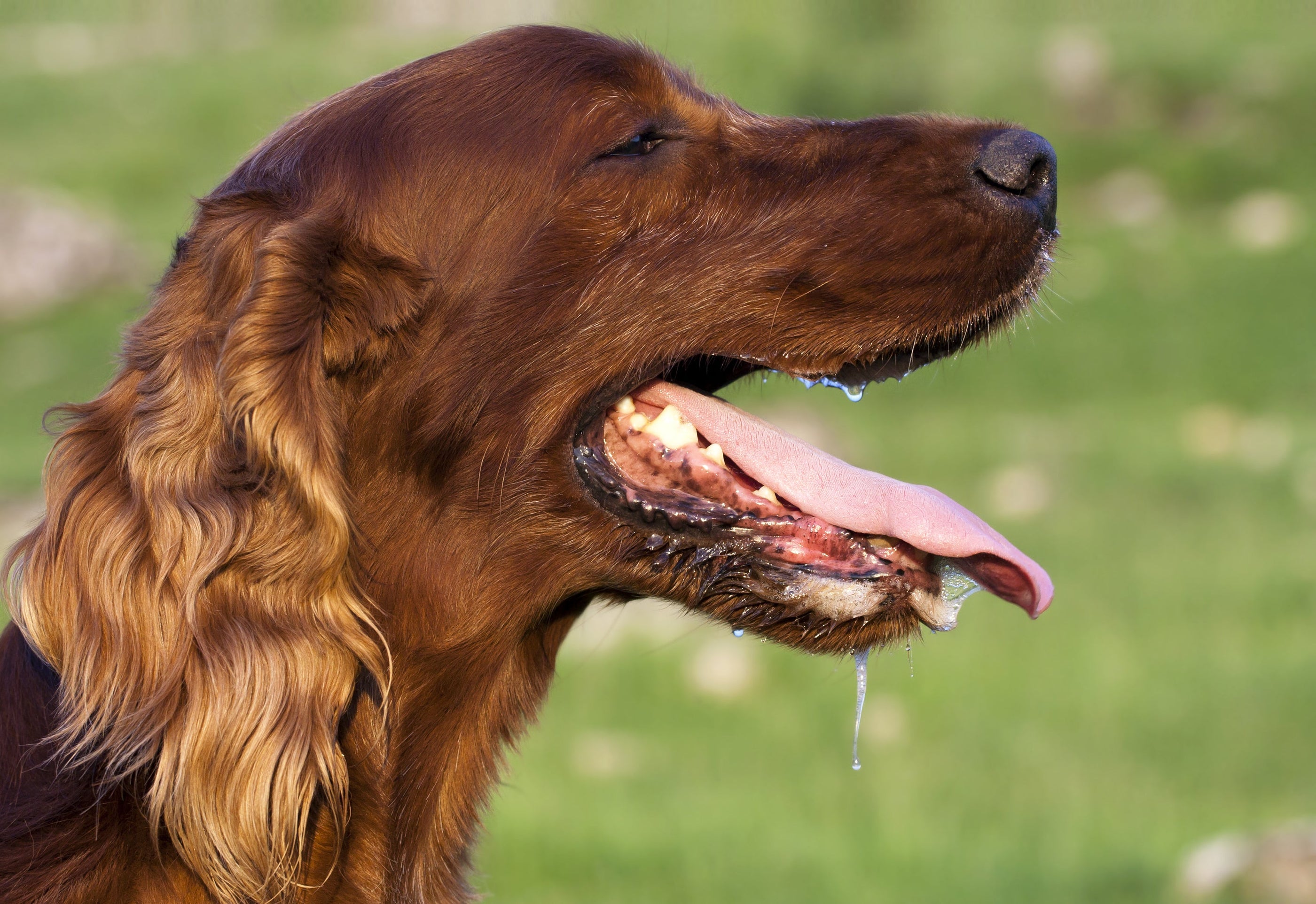
Dogs can have different sensitivities to ingredients, however, and individual tolerance can vary. Large amounts of xanthan gum may have a laxative effect and could potentially cause loose stools or diarrhea.
The amount found in commercial dog food is generally much smaller than amounts that would be expected to cause this type of reaction.
If your dog consistently develops digestive issues after eating a particular food, it's worth talking with your veterinarian rather than assuming xanthan gum is the cause. There may be another ingredient or an unrelated health issue contributing to the problem.
It has become controversial as it is technically a food additive. It is manufactured from a natural process but would not occur naturally. The carbohydrate/sugar that is used to create xanthan gum is often corn or wheat. While the corn or wheat is filtered, there may be trace amounts present in the final product.
Xanthan gum is a thickener and stabilizer. It is often added to canned foods to maintain thickness and keep ingredients from separating. It is considered safe for dogs, though can cause diarrhea at mega doses.
Oftentimes, yes. Xanthan gum is more commonly found in wet or canned dog food because of its ability to thicken and stabilize food.
Canned dog food contains significantly more moisture than dry food, so manufacturers may use ingredients such as xanthan gum to help maintain a consistent texture and prevent the food from separating.
If you see xanthan gum listed on the ingredient label of your dog's canned food, its presence is generally related to the food's texture and stability rather than its nutritional value.
No. Most dogs tolerate the small amount found in canned diets very well. Some very sensitive dogs may experience loose stools. I have never observed this in practice but it is theoretically possible.
Canned diets allow you a convenient way to feed your dog a balanced and tasty diet. If you would like to avoid food additives and processed foods, you can consider switching to a raw diet, or consider preparing your own home-cooked diet – which you can read more about here.
Reading a dog food label is one important part of choosing the right food for your pet, but the ingredient list isn't the only thing to consider. Look at the complete nutritional profile and consider your dog's individual needs when selecting a food.
When reviewing a dog food label, look for:
A complete and balanced nutritional profile
Ingredients appropriate for your dog's life stage
Quality sources of protein
Nutrients that support your dog's overall health
A recipe your dog tolerates well
Feeding guidelines appropriate for your dog's size and needs
If you have questions about your dog's specific nutritional requirements, your veterinarian can help you determine which type of food is appropriate.
Xanthan gum in dog food may sound unfamiliar, but its presence doesn't necessarily mean there's cause for concern. For most dogs, the small amounts commonly used in commercial pet food are well tolerated and serve a functional purpose, particularly in wet and canned recipes.
As with any ingredient, it's important to consider the entire recipe rather than focusing on one additive. Choosing a complete and balanced food that meets your dog's individual nutritional needs is an important part of supporting their overall health.
Q - What does xanthan gum do in dog food?
A - Xanthan gum acts primarily as a thickener and stabilizer. It's commonly used in wet and canned dog food to help maintain a consistent texture and prevent ingredients from separating.
Q - Is xanthan gum safe for puppies?
A - Xanthan gum is generally considered safe in the small amounts typically used in commercial pet food, but puppies have specific nutritional requirements. Always choose a complete and balanced food formulated for your puppy's life stage.
Q - Is xanthan gum safe for dogs with sensitive stomachs?
A - Most dogs tolerate the small amount of xanthan gum found in commercial dog food, but individual sensitivities can vary. If your dog regularly experiences diarrhea, vomiting, or other digestive problems, speak with your veterinarian about possible dietary triggers.
Q - Is xanthan gum found in wet dog food?
A - Yes. Xanthan gum is more commonly found in wet or canned dog food because it helps thicken and stabilize the food and maintain a consistent texture.
Q - What are the side effects of xanthan gum in dogs?
A - Large amounts of xanthan gum may have a laxative effect and could potentially cause loose stools or diarrhea. The small amounts typically used in commercial dog food are generally well tolerated by most dogs.
Updated August 20, 2026