Your cart is empty. Let's fix that!



Congratulations on getting your new kitten! Those first 90 days with your newest family member are magical, buuuuut also can be a bit overwhelming. Between the constant naps, midnight zoomies, knocked over plants, and the perpetual question of "Am I doing this right?"... we totally get it. In our Kitten Care Guide, learn everything you need to know to give your tiny new feline the best start in life.
Food and Water Bowls: Choose shallow ones for their small faces, preferably stainless steel for max hygiene
High-Quality Kitten Food: Wet and/or dry, tailored for growth
Litter Box and Kitten-Safe Litter: Introduce early to start building good habits
Cozy Bed or Blanket: Cozy, comfortable spot for naps on naps on naps
Scratching Post: Essential for keeping their claws in check
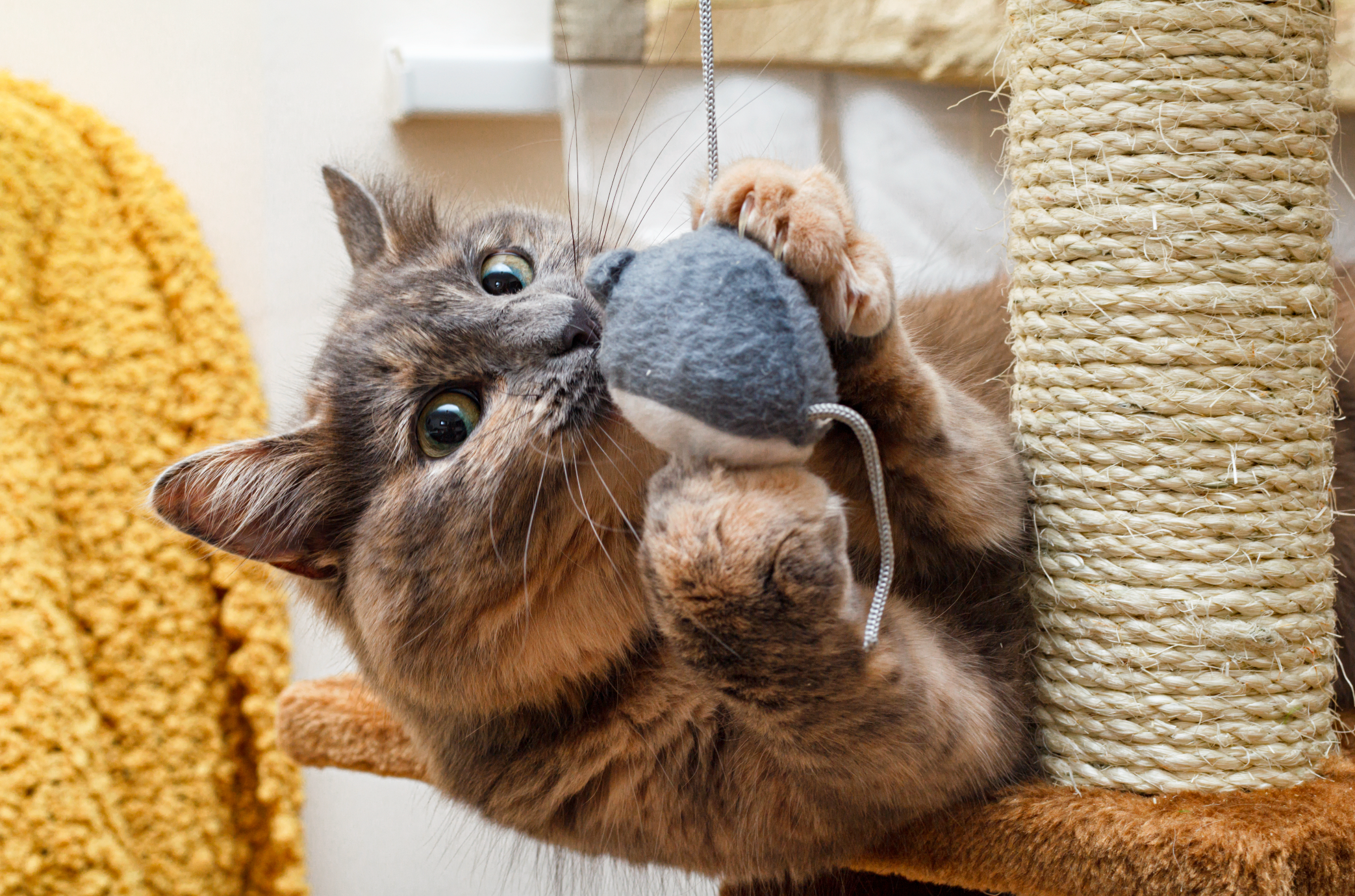
Variety of Toys: Wand toys, balls, mice—engage those tiny paws!
Carrier: For vet visits and safe transport
Nail Clippers (Cat-Specific): Gently maintain nail health
Brush Appropriate for Coat Type: Regular grooming prevents matting
Enzyme Cleaner: Essential for (inevitable) accidents
Pro tip: Set up a "kitten zone" in one room for the first few days. Too much space too soon can be overwhelming, and having them close to their food, water and litter without wandering around can help.
This is when you and your new furry family member start to get acquainted. But don’t be surprised if there’s some hesitation expressed on their part! It’s just part of the process.
Hiding is normal; give ‘em time
May not eat much for the first 24-48 hours
Lots of sleeping (up to 20 hours/day!)
Possible digestive changes from food transition
Schedule First Vet Visit: Within the first week to ensure health and vaccinations
Start Litter Box Training: Usually instinctive, but guide them gently
Begin Gentle Handling and Socialization: Build trust and build your bond early
Establish Feeding Routine: Consistency is key for young kittens
Kitten-Proof Your Home: Safety first—hide wires, secure small objects
This largely depends on their age when they arrive at your home. If you’re adopting or found a stray, have a veterinarian assess the kitten’s age at the first visit.
Age 6-8 weeks: 4 meals per day
Age 8-12 weeks: 3-4 meals per day
Always have fresh water available; wet food helps with hydration too
The good news? Most kittens adapt really quickly. By day 3 or 4, you should see their confidence (and personality) start to shine through loud and clear!
At this point you and your kitten have likely established some basic routines, and getting in the groove of consistency is important to train behavior.
Down to 3 meals per day (morning, afternoon, evening)
Measure portions based on food guidelines
Begin introducing different textures if feeding only one type (have a little wet to compliment the dry, or vice versa)
Gently handle paws daily to get them used to touching for trimming nails
Introduce them to their carrier; make it a safe space not a scary one
Meet new people slowly and calmly – those first introductions are essential
Expose them to common but noisy household sounds like the vacuum or TV
This is one of the most daunting things about getting a new kitten but it should be a relatively quick transition.
Keep the box in a quiet, accessible location
Clean daily as kittens are picky about cleanliness
Use enzyme cleaner for accidents; never ammonia
One box per cat plus one extra is ideal
Pro tip: Place your kitten in the litter box after meals and naps if they’re not going there on their own. Their bodies will naturally cue them to go.
With the basics squared away, it’s time to start thinking about scheduling some key health measurements and milestones.
Always consult with your veterinarian about this schedule, but you should typically expect:
6-8 weeks: First FVRCP vaccine
10-12 weeks: Second FVRCP vaccine
14-16 weeks: Third FVRCP vaccine + Rabies
Discuss the FeLV vaccine based on their lifestyle (staying indoors or eventually going outside)
Kittens often come with parasites; follow your vet's deworming schedule
Discuss flea/tick prevention (many products have age/weight minimums, so it may need to wait)
Never use dog products on cats—they can be harmful
Baby teeth: 2-4 weeks old
Adult teeth start coming in: 3-6 months
Provide appropriate chew toys and watch for signs of mouth pain
At this point you may be asking yourself, “Were they really that tiny!?” Big growth has happened in a short amount of time, so it’s important to shift what you’ve been used to for kitten feeding into more of a grown-up cat mode.
Transition to 2-3 meals per day
You can begin free-feeding dry food if preferred (monitor weight)
Continue wet food for hydration benefits
Never use punishment—cats don't respond well to it
Redirect unwanted behavior with appropriate alternatives
Use positive reinforcement: treats, praise, and playtime
Consistency is key for effective training
Scratching furniture? Provide scratching posts
Biting hands? Redirect them to toys instead
Counter jumping? Give them cat trees and vertical space
Night activity? Increase daytime play sessions
Let's be real: Kittens will be kittens. You can't eliminate all the chaos, but you can get ahead of it.
There are some things that are out of the ordinary and should always be checked out, regardless of their age in weeks or months. Seek immediate care if you notice:
Not eating for 24+ hours
Vomiting multiple times
Diarrhea lasting more than 24 hours
Lethargy or unresponsiveness
Difficulty breathing (beyond snoring)
Signs of pain like limping
Not using the litter box after 24 hours in the home
Discharge from eyes or nose
Trust us when we say that it's always better to call and be told it's nothing than to wait on something serious.
Time flies when you’re having fun with a little fuzzy companion! By week 12, your kitten should have hit these benchmarks:
Be fully weaned and eating solid food
Have completed their initial vaccination series
Be comfortable in their home environment
Have established routines for eating, playing, and sleeping
Be ready for spay/neuter (typically 4-6 months)
Those first 90 days fly by faster than you'd expect. One minute you're coaxing a tiny kitten out from under the couch, and the next they're ruling the house like they've always owned it. You're doing great. Your kitten is lucky to have you.
P.S. Wondering if your kitten actually needs "kitten food"? We break it down here.