Your cart is empty. Let's fix that!

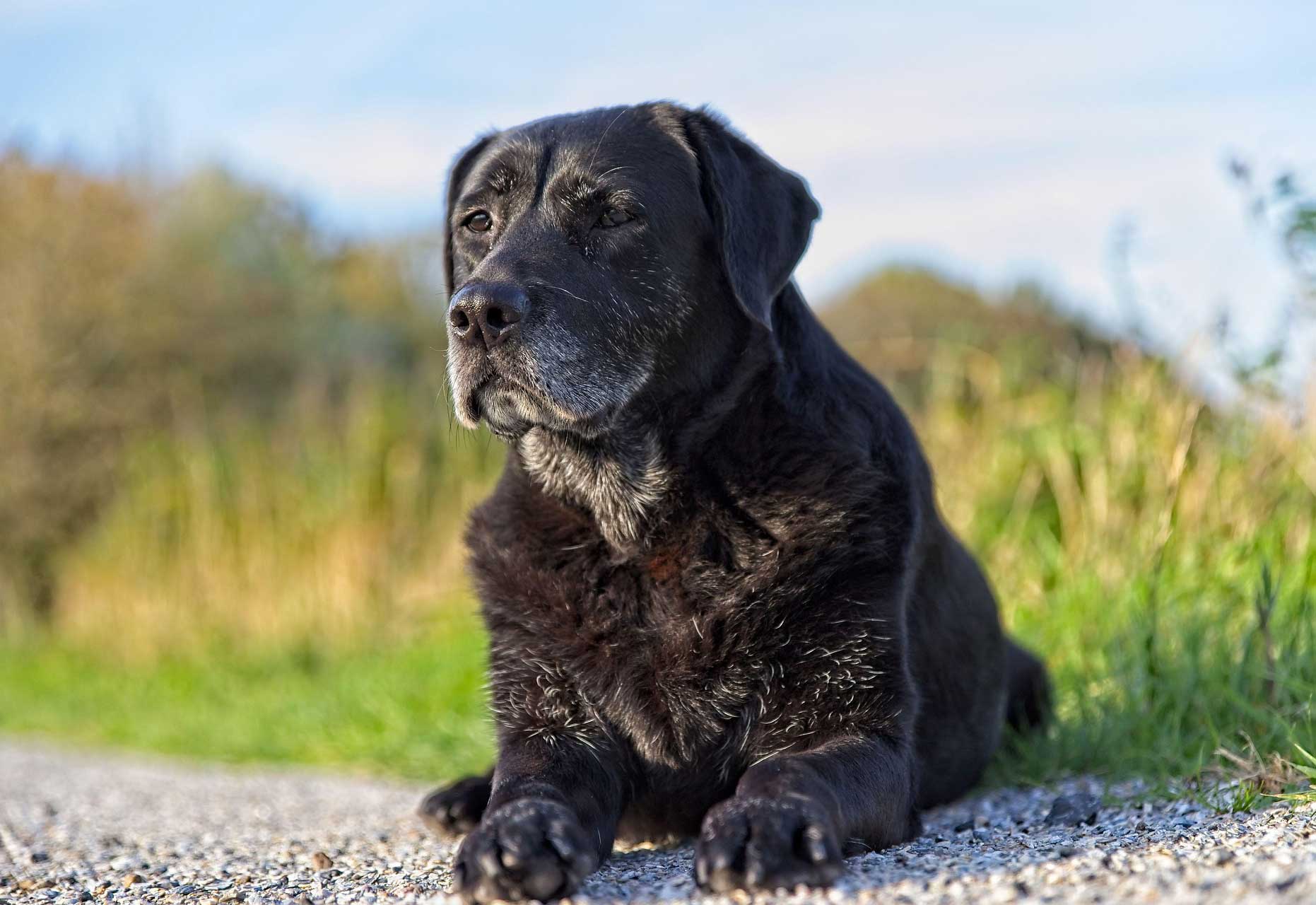
Your dog may still act like a puppy at heart, but as they age, their nutritional needs shift dramatically. Just like senior humans, senior dogs require tailored care to maintain their energy, mobility, and overall health.
The good news? A few intentional tweaks to their diet can make a world of difference, especially when you choose high-quality, natural, grain-free food options. Let’s explore how to nourish your senior dog’s bright golden years with the right food, supplements, and care.
The age at which a dog becomes senior actually depends on their size and breed:
Small breeds: 10+ years
Medium breeds: 8-9 years
Large breeds: 6-7 years
It’s not just about age though, it’s also about life stage. Senior dogs often experience slower metabolism, joint stiffness, and changes in digestion as the years go by. There are some key signs that it’s time to adjust their diet, which include:
Slower movement or stiffness in joints
Weight fluctuations (gain or loss)
Dental issues (e.g., plaque, gum disease)
A graying muzzle or thinning coat
Reduced appetite or digestive discomfort
You don’t have to wait for their next birthday to act though. You can start monitoring their health ~6-12 months before their official senior threshold to stay ahead of changes, and consult with your vet if symptoms seem unusual or extreme.
As dogs age, their bodies require different nutrients to support vitality and longevity. Here’s what to prioritize:
Just like us, senior dogs often burn fewer calories over time due to decreased activity and muscle mass that changes with age. However, their bodies still need adequate nutrition to maintain energy and prevent weight loss.The quickest wins can come from:
Adjusting portion sizes; feed smaller, more frequent meals if needed.
Avoid overfeeding; even a relatively small weight gain can start to strain joints.
Our grain-free recipes are designed to support balanced calorie intake without compromising quality, and because they’re high in protein and filler-free, they’re appropriate for all ages as a superior nutrition source.
Contrary to old beliefs, senior dogs need more high-quality protein, not less, to preserve muscle mass and combat sarcopenia (age-related muscle loss).
Focus on lean proteins like chicken, fish, and eggs which are excellent sources.
Avoid low-protein diets, which can lead to muscle wasting and weakness.
Our natural, grain-free formulas include premium proteins to keep your senior dog strong and active.
Arthritis and joint pain are quite common in older dogs. Nutrients like glucosamine, chondroitin, and Omega 3 fatty acids can help reduce inflammation and improve mobility.
Omega 3 fatty acids are found in salmon and flaxseed. These support joint health and reduce stiffness.
Antioxidants like Vitamins E and C which combat oxidative stress, can fight against accelerating aging.
Our dog food options are enriched with Omega 3 & 6 fatty acids and balanced vitamins to promote joint comfort and flexibility.
As dogs age, their digestive systems may slow down, which can lead to frequent constipation and discomfort.
Fiber (at 3-5%) aids digestion and prevents blockages.
Probiotics support gut health and nutrient absorption.
Our grain-free formulas include prebiotics and probiotics to keep your senior dog’s digestion running smoothly.
Cognitive decline can occur with age, but nutrients like Omega 3 fatty acids and antioxidants can support mental sharpness.
DHA (a type of Omega 3 fatty acid) is found in fish, and supports brain function.
Vitamin E protects brain cells from oxidative damage.
Choose foods that prioritize these brain-boosting nutrients for a sharper, happier senior dog.
If your dog is showing any of these signs, it’s time to consider a senior-specific diet:
Weight gain or loss: Even a slight change can indicate metabolic shifts.
Stiffness or difficulty moving: Joint pain may require dietary adjustments.
Coat changes: A dull, thinning coat can signal nutrient deficiencies.
Digestive issues: Constipation, diarrhea, or flatulence may point to dietary needs.
Veterinary recommendations: Your vet may suggest a senior formula based on bloodwork or physical exams.
The good news is that transitioning to the right food doesn’t have to be complicated. Our grain-free, natural formulas are designed to support these age-related needs.
Switching your dog’s diet should be gradual to avoid digestive upset. Follow this 7-10 day plan:
Days 1-3: Mix 25% new food with 75% old food.
Days 4-6: Increase to 50% new food.
Days 7-10: Gradually shift to 100% new food.
Watch for:
Stool consistency: Look for changes in frequency or texture.
Appetite: Ensure your dog is still eating regularly.
Energy levels: Monitor for improvements in mobility or vitality.
If your dog is sensitive to changes, extend the transition to 14 days. Small steps make a big difference!
When choosing a senior dog food, prioritize these qualities:
High-quality protein: Chicken, fish, or eggs as the primary ingredient.
Natural, grain-free ingredients: Avoid fillers, artificial additives, and by-products.
Joint-supporting nutrients: Glucosamine, chondroitin, Omega 3 fatty acids.
Digestive aids: Prebiotics, probiotics, and fiber.
AAFCO certification: Ensures the food meets nutritional standards for all life stages.
“I and love and you” grain-free, natural formulas are crafted with these principles in mind. Our recipes are free from grains, artificial preservatives, and fillers, making them ideal for senior dogs with sensitive systems.
While a balanced diet is the foundation, supplements can enhance your senior dog’s health:
Joint supplements: Glucosamine, chondroitin, or MSM for pain relief.
Omega 3 fish oil: Supports joints, skin, and brain health.
Probiotics: Improve gut health and digestion.
Coconut oil or MCT oil: May support cognitive function and energy.
Always consult your vet before adding supplements, especially if your dog has pre-existing conditions.
Don’t fall into these traps when feeding senior dogs:
Keeping them on adult food too long: This can lead to nutrient deficiencies or weight issues.
Overfeeding: Even a slight weight gain can strain joints.
Ignoring dental health: Poor dental hygiene can lead to systemic infections.
Assuming all senior foods are the same: Not all brands prioritize quality or natural ingredients.
Skipping vet checkups: Regular exams can catch issues early and guide dietary choices.
If your senior dog shows any of these red flags, consult your vet:
Sudden weight loss or gain
Significant changes in appetite
Pain or discomfort when moving
Persistent digestive issues
Questions about specific health conditions (e.g., kidney disease, diabetes)
Your vet can recommend a tailored diet and supplements to support your dog’s unique needs.
Your senior dog has given you years of love, loyalty, and joy. In return, you can give them the best by choosing a diet that supports their changing needs. With the right food, supplements, and care, your senior dog can stay active, comfortable, and happy for years to come.
“I and love and you” is committed to providing natural, grain-free options that nourish your dog’s body and mind. Let’s make their golden years the best they can be—together.
P.S. Want to learn more about supporting your senior dog’s joint health? Check out our guide to managing arthritis in dogs.